about sydney cafes | advertise with us


sydneycafes.com.au


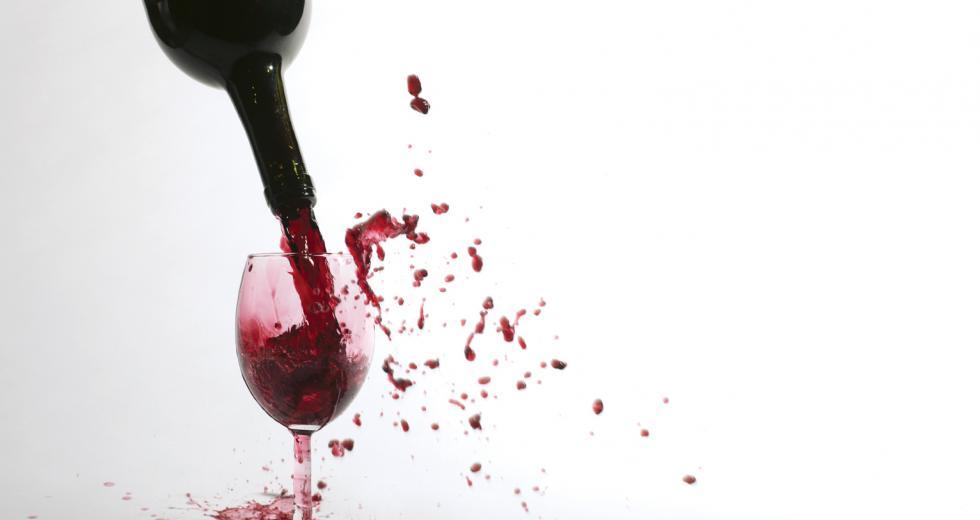
Australian Organic Wines


"A Love Affair that's Good for You"

Organic Wines in Australia Sydney Wine


JEANETTE MORGAN, JANE LOUISE and STEWART DAWES are the healthiest alcoholics in Sydney due to their vast reviewings of organic wine - they don't sleep on park benches, they sleep at the Hilton courtesy of Paris ...


To have your wine reviewed on Sydneycafes.com.au email The Dawes of Perception via editor@sydneycafes.com.au


Windowrie"The Mill" Central Ranges Sauvignon Blanc Semillon


And so it is, in the it-ness of the one-ness universe, ever disparating, that we journeyed palatially into the joys of this fine wine. Our gregarious human feature on the "about us" page, Mr Sway Drury, popped over for a Dulwich Hill bonding session and proceeded to regale the quasi-royal us-ness with ghost stories par-excellence. True to his very-ancient Finnish roots, the man could make your blood freeze as though the very bones of nothingness were dancing on your grave. And so, surely enough, we drank - an excellent wine - as Sway assured us that the scariest Sydney ghost walk was indeed the Manly one, and we imbibed ever-onwards past our wine review duties through the most excellent Pig in the House 2008 shiraz, coz ain't nobody gonna stop us now/then. And by God, exorcising them daemons, was that an awesome Shiraz to follow, or wot? They are organic, they art splendid. www.windowrie.com.au ... a twitter distraction: @guyjacques have you heard of your second cousin Phil Jacques, a very fine cricketer? Got to say, when wine companies like Windowrie send us "one for review, one for enjoyment" we love them forever - that's quality and dignified PR at work. One final ethical/authentic/experiential statement: their wine is the best organic wine we've consumed for more than a little while.


Robinvale Wines Demeter 2005 Zinfandel Merlot


Well it turned out we decided to have a vigneron's picnic on Christmas Day, and we had it in good old Rushcutters Bay, scene of tennis warfare even backed by John Laws. Invariably, after the kids' new toys had worn off their lustre, we took the glorious being Jett to look at the yachts. Funny that it didn't even register, so absorbed in the Christmas spirit were we, that the handsome yachts we were checking out up close with exotic names such as Ichi Ban, Alfa Romeo, Mondo and Wild Oats, would be names we'd be hearing on the radio the next day due to them being players in the 2009 Sydney to Hobart race. Must have had something also to do with the warm glow we'd acquired from the Robinvale Zinfandel Merlot we'd taken along to enjoy - lucky we took this red rather than some chilled whites because the day was blustery and cool and even broke into the occasional mild shower. Thumbs up from all four adults who sampled it, and when surveyed for flavours there was mention of plum, raspberry, mulberry, apricot nectar and orange blossom. Robinvale's wines are non-GMO though preservative 220 is added which meant one of our crew had to give it a miss. Grown according to the standards of the Bio-dynamic Research Institute using environmentally-friendly biological methods which activates and nurtures the life of the soil -and without the use of artificial or synthetic chemical pesticides, fungicides, weedicides, fertilisers and other additives. For more info check out www.organicwines.com.au


Tamburlaine 2006 Gestalt Sauvignon Blanc Semillon


Few would dispute that this is one of the best organic whites on the market. Immediately attractive with a sweet yet easy-going bouquet and a first taste of honey, gooseberry, perfume and pineapple, there's some other mystical element which makes you just want to swig it across the palate fast and get it down the throat. It delights all angles of the tongue and has a strange positive clawing - more please! The improvement in the Tamburlaine brand is stratospheric and if this "sauvignonblancsemillon" is symptomatic of the direction they're heading in, then this is a label to watch for reasons beyond the simple fact of their organic motivations. What's also charming/alluring about these folk, embodied in the fresh energy of winemaker Mark Davidson, is that they appear to be enjoying themselves big time in everything from the sentiments on the label to the expanded versions on the tasting notes. We approve - we can taste the flavour known as 'enjoyment'. www.tamburlaine.com.au


Krinklewood Biodynamic Organic Wines Australia


Krinklewood 2009 Verdelho


The bias starts here folks as this writer's favourite white varietal is verdelho - and vigneron Rod Windrim has not put a foot wrong with this one. Krinklewood is a family-owned biodynamic vineyard located in Broke Fordwich in the Hunter Valley. Wines are crafted from 100% estate-grown fruit and are an accurate representation of the Krinklewood terroir. Aromas of tropical fruit and citrus characters with a fruit-driven palate and a refreshing long crisp finish. Alas is also guilty of using the 220 preservative which affects some people including this writer (though not fatally, I still drink it), and is fined using milk products and traces may remain. Check out www.krinklewood.com for more wines.


Krinklewood's Wild White 2008


Krinklewood's Wild White 2008, dubbed 'wild by name, wild by nature', is everything a verdelho should be, which is almost surprising for an organic wine. Almost, except this is Krinklewood, who seamlessly merge the style and quality we expect in a wine with a dynamic organic appeal. While in an earlier review I classed Krinklewood's chardonnay as the Aretha Franklin of chardonnays, this Wild White brings to mind the bold, fresh and sassy appeal of popstar Pink - both have a vibrancy and both have something to shout about. With a recommended retail of only $16, Krinklewood Wild White 2008's value tips the scales even further in its favour. What's not to love? www.krinklewood.com


To have your wine reviewed on Sydneycafes.com.au email editor@sydneycafes.com.au


It's Not All Positive


While we like to highlight the positives to help consumers make selections about what wines we recommend, we also give our writers the absolute freedom to say what they think. Wine drinking is a subjective experience, so if a wine is reviewed negatively or positively, it doesn't mean you will or won't like it - for the record here's examples of recent wine reviews that didn't go full length as the writers didn't enjoy them:


Robinvale Moscato Rose: "Moscato is an Italian style of sweet wine, usually finishes dry. This is sweet all the way through. I found it sickly sweet and couldn't drink it. Words that came to mind were empty and superficial: Miley Cyrus."


Pig in the House 2007 Shiraz: "words that came to mind were soft, boring, gentle, well meaning - the Kevin Rudd of reds. I expect shiraz to take hold of my tongue so was disappointed with the lack of oomph here. My drinking partner said 'big on talk and light on substance' and called it 'gen x wine'. If it was called something other than shiraz (though yes I know that is the type of grape!) then I may well have enjoyed it - just that my expectations were for something different. Fine for bbqs."


Krinklewood Wild Red 2005


Totally different label design to their other "Biodynamic Vineyard" white label wines, this says cheeky and cheerful and indeed once you crack this bottle, you'll be nodding your head wildly, something like the slightly cross-eyed bull on the label's front. This wild red is 100% shiraz, and during this festive season, may help you to become "wild by name, wild by nature" as the back-label spiel declares. Ruby Red in colour, this wine displays lifted berry fruits and classic Hunter spice aromas intergrated well by savoury oak. It's a medium bodied wine with a rich fruit palate well balanced by soft tannins & savoury oak. The fruit was handpicked in the cool of the night at optimum ripeness, the grapes were crushed, pressed and then fermented on the skins for a week. The wine was matured in a combination of new Troncais French & 2 year old American Oak for 20months before blending & bottling. The perfect accompaniment to a BBQ. www.krinklewood.com


To view our thousands of previous reviews of Australia's best organic wines (written over the last five (hic) years), click here.


Most Searched Terms: Australian Organic Wines, Sydney Restaurants wine lists which include organic wines, organic wine available in Melbourne, Hunter Valley organic wines, organic wine in the Barossa Valley, Brisbane sommeliers, Perth's best cafes, history of organic wine making in the Adelaide Hills.


African Cafes | Al Fresco Cafes | Alkaline Mineral Booster | Auto Sprouters | Bars | Caterers | Celebrity Spotting | Coconut Oil | Core Greens Health Supplement | Dog-Friendly Cafes | European Restaurants | French Cafes | Gay-friendly Cafes | Gluten Free Cafes | Gourmet Food | Healthy Gift Ideas | Ice Cream-Gelato Bars | Indian Restaurants | Infrared Saunas | Japanese | Juicing Machines | Kid-friendly Cafes | Mexican | Modern Australian Dining | Noodles | New Products | Organic Wines | Perth Cafes | Romantic Restaurants | Seafood | Spectacular View Cafes | Thai Food | Vegetarian Restaurants | Water Distillers | Water Filters | Yum Cha


The Dark Express


How do I drink thee, my beloved coffee? Let me count the ways ... BRYN TILLY savours the dark soul of that infamous bean ...


"Coffeepot give us peace,

Coffeepot let children grow,

let our wealth swell,

please protect us from evils,

give us rain and grass"

- Ethiopian Prayer


It has many guises - espresso, cappuccino, mochaccino, café latte, macchiato, ristretto, doppio, flat white, etc - that bitter sweet pleasure which is a way of life for so many of us. Yet coffee remains the most popular drug in the world, with 85% of Americans alone using significant amounts of caffeine on a daily basis.


It's the most sought after commodity after oil, which certainly says something about the power and influence of this dark-hued fluid. You may not drink coffee, but you can appreciate just how popular it is. Craving that morning espresso, you may not be so aware of its deep social influence. Sure, the active ingredient caffeine is found in other beverages, such as tea and soft drinks, but there's only one true pure form: coffee. Coffee has been a formidable force in history, and is probably one of the most addictive substances the world has ever known.


In recent years it has become a significant social lubricant. It's almost impossible not to be exposed to its aroma, the taste of it infiltrating everything from ice cream to nouveau cuisine. And caffeine is the only addictive psychoactive substance that is freely available almost everywhere, unregulated, sold without a licence, available in tablet and capsule form, linked to smart drinks, and added to soft drinks aimed at children.


Art of Darkness

In our coffee-driven urban society we take a lot for granted. And for the most part we are served well. Most cafes know how to make a reasonable coffee.


But there is an art to making an espresso and all its variations. Even that simple long black demands respect for the espresso machine, and attention to the packing of the ground coffee beans. Without that 'rats tail' spiralling into the demitasse, your coffee is going to be sub-standard. And in this hyper-demanding urban sophisticate social realm of tonic! tonic! tonic!, the perfect coffee is of the utmost importance.


One mustn't underestimate the disdain that spills forth from unhappy café customers who have been served a too milky latte or an under-frothed cappuccino. Call it coffee café contempt! Without the right brew an over-stressed executive or a disgruntled student may have his or her day fall apart around them. Simply because the coffee made has NOT hit the spot!


The 'Sauce' of Dissent


On the table in front of you it may appear innocuous, but coffee has been responsible for a lot of social upheaval. It was banned for years in Europe for causing the aristocrats and political yes-men much grief. Why exactly was it banned? Because of its ability to make people think. Challenge the status quo. Spark ideas of political revolt. And none of this was happening in the bars. In the bars they were getting drunk on absinthe and playing silly buggers, while in the coffee houses they were getting fired up, wired,plotting, scheming, ready for action!


A Repugnant History

The world's first coffee lovers were Oromos, a society who lived around 1500 to 3000 years ago in the African kingdom of Kefa. Kefa is perhaps the root of the word coffee, or maybe qahwa, which roughly translates as "to make something repugnant". Originally referring to wine, which made food repugnant, it was then applied to coffee, which made sleep repugnant.


The first mention of a coffee beverage suggests it was brewed from coffee leaves. Kati, or Kotea, is an Ethiopian concoction made of roasting coffee leaves. Amertassa is an earlier version made from freshly picked green leaves and then left to dry in the shade. These two are strong candidates for being the first cup of coffee.


The French, the Dutch and the Ethiopians each styled themselves as the heavies in making coffee the world's most popular drug. But it was the Turks who controlled the port of Mocha (coffee Mecca) during its heyday. And how's this for one of their proverbs:


"Coffee should be black as hell,
strong as death and sweet as love"


As for the beans with which we are more familiar in the western world, there are two basic kinds. The succulent Arabica from East Africa prefers higher elevation, while the fierce Robusta from Zaire grows pretty much everywhere. The social influence of coffee soon spread from the Middle East into Europe and beyond.


Coffee houses were established first in Mecca and Constantinople (1500 and earlier), then into England (Oxford and London 1555 and 1652), across the Channel (Amsterdam and Paris 'mid-1600s and later), to America (Boston and New York late 1600s) and eventually back into the heart of Europe (Berlin 1721).


But it wasn't long before the small cafes were stripped of their coffee-making facilities. Coffee was considered the devil's cup, more insidious than alcohol, and certainly more potent in its socially destructive powers. Which of course only put it in higher demand - just as "Prohibition" caused a surge in alcohol trade.


So is coffee really that dangerous?


Symptoms likely to occur after consumption in excess of 250 mg (2-3 cups): restlessness, nervousness, excitement, insomnia, flushed face, diuresis, gastrointestinal disturbance, muscle twitching, rambling flow of thought and speech, cardiac arrhythmia, periods of inexhaustibility and psychomotor agitation.


For hardcore caffeine lovers, try a Turbo Coke - a shot of espresso in a tall glass over ice topped up with Coca-Cola. Now that's gotta get you goin'!


Things You Probably Didn't Know About Coffee:


- In an espresso (1.5 to 2 oz) there is 100 mg of caffeine. In an instant coffee there can be 50 to 130 mg, and in a drip or percolated coffee there is anything from 75 to 180 mg.

- Acute toxicity leading to death from coffee can occur at levels as low as 50 mg/kg, equivalent to 3.5 grams for a 60 kg person. That's about 35 straight cups of coffee.

- The famous writer and philosopher Voltaire used to consume 50 cups of coffee a day.

- A few years ago a twelve-step program was set up by a group called Caffeine Anonymous in Portland, Oregon, to help junkies kick the habit.

- Workers be warned. That fourth cup of coffee late in the day is not the pick-me-up you think it is. A study has found that drinking more than three-and-a-half cups of coffee a day hurts productivity levels and does not make people more aware - it causes concentration lapses and stress.


More Caffeine Crazed Info ...


- Coffee is the second largest commodity in world trade.

- The human body will absorb 300mg of caffeine. Additional amounts  are excreted and provide no stimulation.

- Coffee is the most popular drink in the world at  over 400 billion cups each year.

- Coffee drinkers have more frequent sex than non-coffee  drinkers and enjoy it more.

- Swedish people drink more coffee than any other nation.  Average 11 cups a day.

- On average, a coffee tree produces 1-2 lbs of coffee beans per year.

- 2.4 billion pounds of coffee are sold per year in the United States.

- One pound of coffee represents 4000 handpicked beans.

- The first Parisian cafe opened in 1689 to serve coffee.

- In the year 1763 there were over 200 coffee shops in Venice.

- Raw coffee beans, soaked in water and spices, are chewed  like candy in parts of Africa.

- The Japanese have been known to bathe in coffee grounds  fermented with pineapple pulp, for reducing wrinkles and improving their skin.

- Coffee sacks are usually made of hemp and it takes over  600,000 beans to fill a coffee sack.


Bryn Tilly is a writer, DJ and culture vulture. For more of his articles check out www.freshmag.com.au or email him via bryntilly@yahoo.com ... and for more info on coffee click here. For Sydney coffee suppliers click here.


The Best of Sydney Coffee

mano espresso staffmano espresso menu


Mano Espresso Bar - Glebe is not All about Grunge


At Mano Espresso they serve Campos Coffee, specifically Campos Superior Blend, made by their qualified and highly skilled baristas. They also have a selection of T2 teas and Chai, as well as freshly squeezed juices. Mano Espresso have recently been awarded four beans in their review in The Coffee Guide Sydney 2009. Certainly in a very short time our experience is that they're already among the best espresso bars in Sydney. Their menu consists of a range of gourmet light meals - toasted pides, soups and their famous spanakopita, and their new addition - delicious steak sandwiches made fresh to order. They also have a range of friands, cakes and muffins to indulge your sweet tooth. For more info, browse their website and feel free to send them your feedback via their contact us page.


Incas Caffe - the best of Italy right here in Sydvegas


Incas Caffè is a boutique Italian coffee boasting all the qualities a good Italian coffee should have. Since being introduced into Australian cafes only a few years ago, it's fast becoming the brand of choice with coffee connoisseurs. The combination of a rich blend and strong aroma, guarantees a perfect coffee each time. Incas Caffè supply commercial coffee machines, grinders, accessories, POS and complete barista training. To discuss your needs or for more information, contact the office on (02) 9614 0040, email us via sales@incascaffe.com.au or visit us online at www.incascaffe.com.au


Numero Uno Coffee & Barista Training


100% Rainforest-Alliance certified coffee from Numero Uno is a combination  of three things - coffee, people and passion. They are in business because they  love it - and provide a complete experience that educates, inspires and empowers their customers - while offering superb blends such as their Aria Blend, their Il Vizio Blend and their intensely rich Picasso Blend. Numero Uno supply full barista training with any espresso machines including any domestic range of coffee equipment on-site or at their barista training studio. For more info call Sam or Gina on  (02) 8399 0111, email them via sales@numerouno.com.au or check out their website: www.numerouno.com.au


footer top footer top