



Neither wanting to fuel the fire, or whitewash the current global oil situation, nor disregard the very circus of emotions oscillating through the globe like a very unfriendly Mexican wave, it seems the spin of world’s inner core has been redirected for a ride we’ve been forced to line up for and join a lengthy queue.
It’s all nauseous; and not prone to wanting to paint the town red, or any other colour. There’s the sense that many appetites are spasmodically being put through a blender, with who-knows-what result. Eating a lot. Not eating at all. Not eating at all a lot. A lot of eating what’s best not to; at precisely when it shouldn’t be, in a way it really ought not.
The lick, sip, suck of a can of whipped cream at 11.18pm.
One double cheese toastie browned in butter at ten.
Nothing from Friday to late afternoon Saturday. A salted caramel syrup brewed coffee with a Marge Simpson coif of whipped weighty aerosol fluff at 8.30pm; self loathing 9.22.
While it’s great to know new places to eat and old ones you haven’t been to yet, the chances of eating out are more than likely slim at the moment. For those blessed with a home and no mortgage, a career with no regrets and disposable income that must simply be disposed of, you’re always well catered for (heh). You may choose to stay just for the hell of it, or because you’re an Aldi aficionado too.
Aldi pour tous!
What makes it work in ways that Colesworth doesn’t? Is absolutely everything cheaper? Does it always have that post-shop glow? There is a subterrain of Aldi accomplishment like no other: regardless of the item, there’s an underlying sense that it’s breathtakingly bargainous.
What is the abracadabra, the alacazam of Aldi?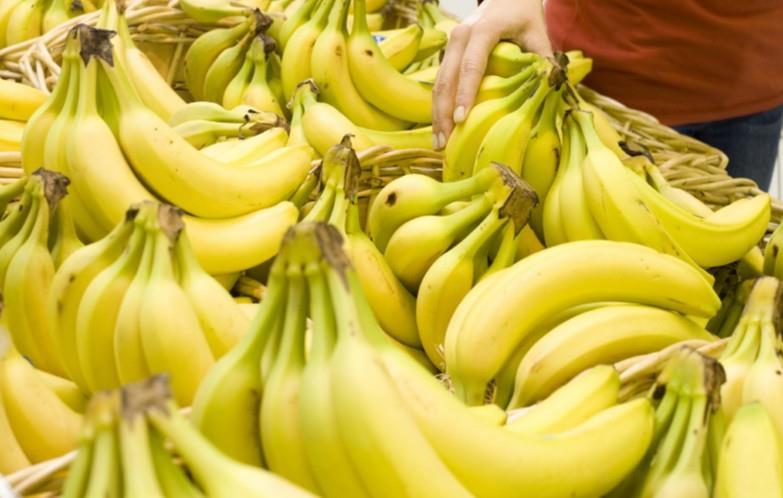
Low prices and private-label products that aren’t entirely shameful for a start.
The hilarity of crates of cocaine turning up at its German warehouses in Columbian banana shipments, more than once. A little under a tonne all in all; in three shipments over a five-year period. None of it made it to the Aisle of Shame – a corporate oversight that could be learned from to add to the thrill of treasures that might be found in the “Aldi Finds” on any Wednesday.
Aldi’s not perfect. Depending on your focus, it’s at least not a bad level of better. If stretching the personal budget outweighs providing jobs, then it’s better better. If individual savings aren’t worth doing away with level-entry jobs, then it’s worse better.
If a common thread is trying to financially survive without huge quality or choice sacrifices, then the joy is in the ability to repeatedly and economically eat well at home without feeling like you’re missing out on something. On some levels, you might be; but if nothing else, you’re exercising a bit of organisation and creativity with financial and fuel savings.
That gold coin for a trolley – conveniently either a $1 or $2 – not only pert-near guarantees you’ll take that supermarket cart back, it also eliminates the entire job category of Trolley Collector, which may or may not involve other duties.
It’s that single coin borrowed from almost every shopper that saves Aldi millions in annual overheads and part of the elimination strategy that keeps the German grocery giant absurdly efficient. A lean, often-by-machine, kind of green shopping routine.
Deliveries aren’t unpacked and arranged by staff – the boxes they arrive in double as their display.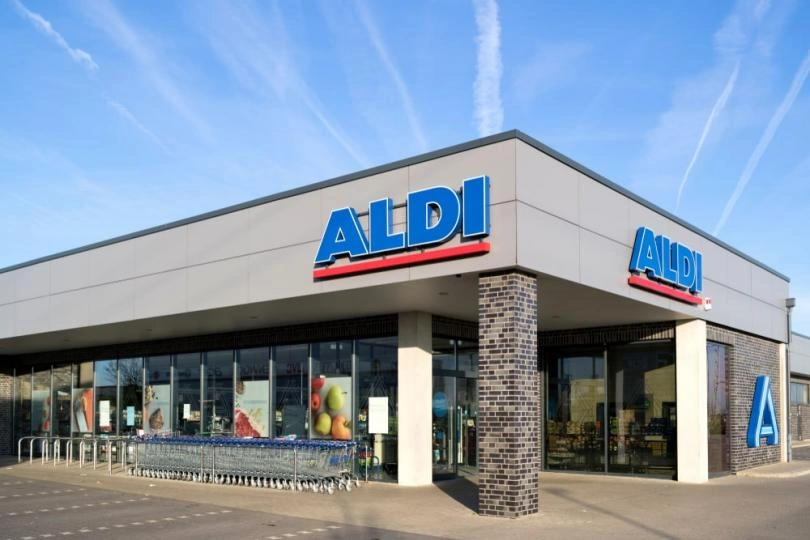
The entire supply chain is designed on the principle of slit-and-slip: slice the box open and slide it onto the shelf. With staff not having to handle items individually, restocking is three times faster than remotely possible in any Colesworth store. Couple that with only about 1400 core items – Stock Keeping Units or SKUs – in comparison to 20,000-40,000 you understand the complex inventory system, elaborate logistics and massive warehouse space Aldi doesn’t have to have. Reducing the selection also gives stronger purchasing power: its lower prices are the result of the ability to buy enormous quantities, and no competition for shelf space. Sourcing local and regional fresh produce minimises waste and price, while also reducing Aldi’s environmental impact. Strict quality standards give staff the authority to reject sub-standard fruit and vegetables at delivery, so that if it doesn’t meet any one of the specific requirements it won’t reach the shelves.
What Aldi doesn’t spend in operating costs, and what it puts into private-label products from precisely the same facilities and equipment as premium brands, translates to a lower receipt totals.
My first foray into Aldi happened almost 20 years ago. I remember feeling like I’d wandered into a warped warehouse, and not being at all impressed. I guffawed at the brand rip-offs with weird names, then bought a few because for the price, they were worth trying.
Aldi was a bit hit-and-miss then. Some replacement brands were perfectly fine; others had you wondering what kind of factory buffoonery was going on; along with whether there were staff prizes for freaking customers out with the never-before-seen check-out speeds with no packing.
After a few years of Aldi getting the kinks out and me realising that quality and price outdo brand loyalty, I was a convert.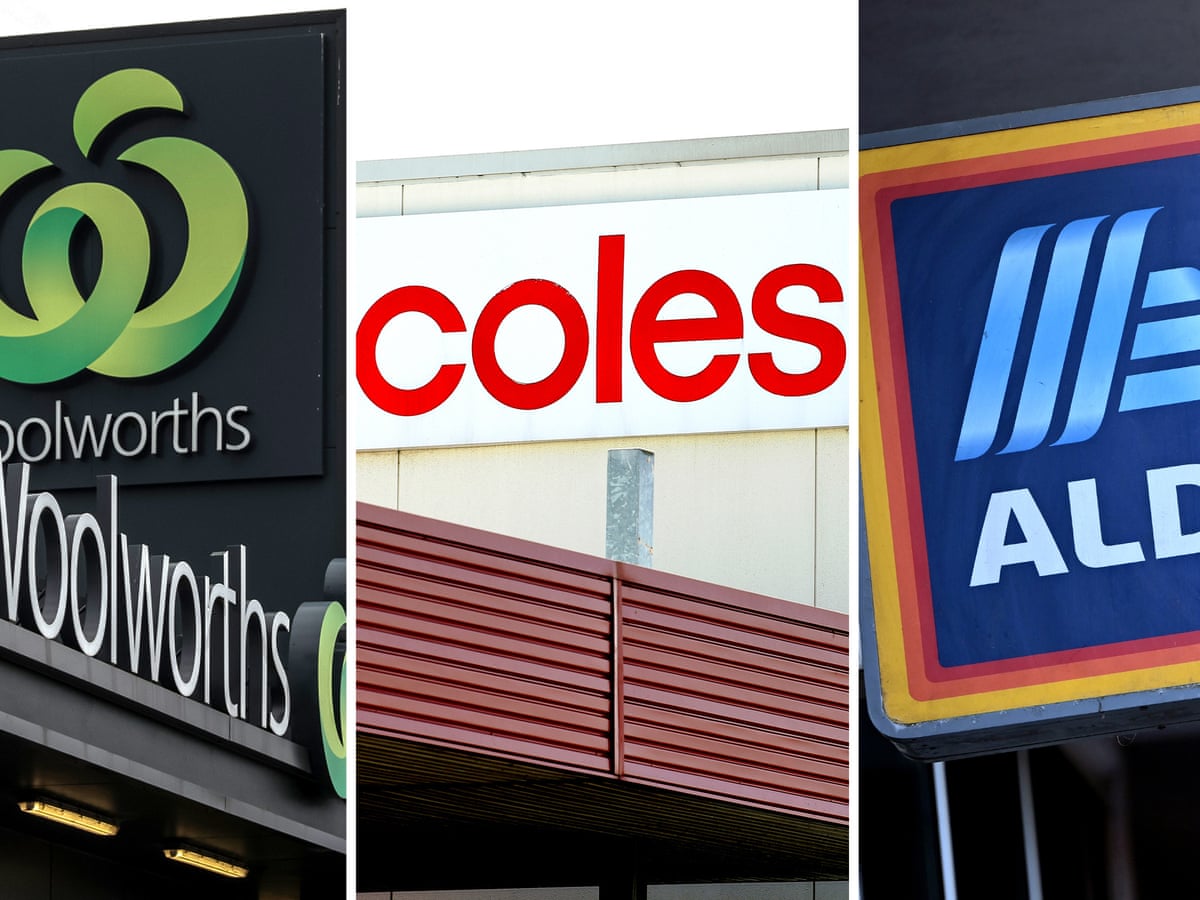
Weekly random big ticket items that can be anything from white goods to an outdoor spa or a fold-up wheelchair for 50-70% off normal price helps fuel the quirkiest low-cost retailer in the world. Its name is a portmanteau of the first two letters of both the family that began it all – Albrecht – and “discount”; and it’s been around since 1945.
Betcha didn’t know that. Betcha didn’t know that Aldi has won every Canstar Blue’s prestigious ‘Most Satisfied Customer Award’ since 2018.
Or that despite the consumer group Choice consistently naming Aldi the most affordable grocery retailer in Australia by 25% lower prices, it has less than 10% of a market that gives 38% to Woolies, and 29% to Coles. All in the face of the recent ACCC findings of misleading and deceptive conduct by both these supermarket giants, even during cost-of-living crises.
After years of being ripped-off by a corporate strategy of intention across hundreds of items, it seems shoppers like to severely punish this behaviour by continuing to buy from them.
Maybe it’s time to not do that anymore.
Maybe it’s time to take back every small bit of power we have as individuals and put our money and energy into businesses that actually deserve it. Reject the disrespect. Buying with conscience over convenience. Shopping smarter with scary scanning speeds.
Who knows what world change that could bring. It’s worth finding out.